Recharge Zone Educational
Introduction
Recharge zones are critical landscapes where surface water infiltrates the earth and replenishes underground aquifers — the same aquifers that supply drinking water to our communities.
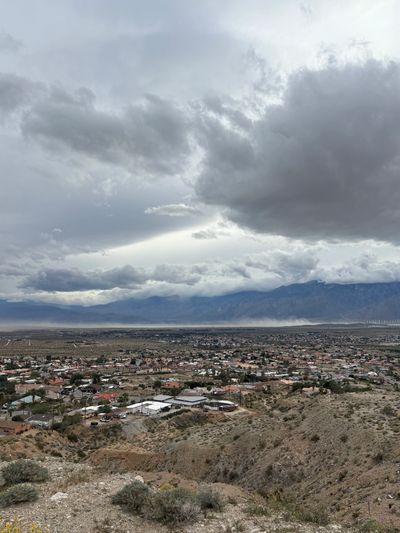
In desert regions like the Coachella Valley, groundwater is a primary water source. Protecting recharge zones is therefore essential to ensuring long-term water security, ecosystem stability, and public health.
What Is A Recharge Zone
A recharge zone is land where rainwater, stormwater, and snowmelt soak into the ground instead of running off the surface.
As water infiltrates soil, sand, and rock, it travels downward through subsurface layers until reaching the aquifer — underground reservoirs that store freshwater.
This natural process is known as groundwater recharge.
How Groundwater Recharge Occurs
Recharge happens through several natural and managed pathways:
- Rainfall infiltration
- Mountain snowmelt
- Flood flows through desert washes
- Stormwater percolation
- Engineered recharge basins
Depending on soil composition and aquifer depth, this process may take months to decades.
Natural Filtration-And It’s Limits
As water moves underground, soil and geologic formations act as natural filters.
This filtration process can:
- Trap sediments
- Break down some organic material
- Adsorb certain minerals
However, natural filtration is limited.
Contaminants such as petroleum products, heavy metals, chemicals, pharmaceuticals, and microplastics can still migrate into groundwater supplies.
Why Recharge Zones Matter
Recharge zones directly sustain:
- Municipal drinking water wells
- Agricultural irrigation systems
- Desert ecosystems
- Regional water reserves
Without adequate recharge, aquifers decline — leading to water scarcity, higher pumping costs, and long-term supply instability.
Pollution Risks In Recharge Zones
Because recharge zones connect directly to groundwater, surface contamination can become drinking water contamination.
Common pollution threats include:
- Illegal dumping
- Motor oil and petroleum waste
- Household chemicals
- Plastics and debris
- Human waste
- Burned encampment materials
Pollution introduced at the surface does not remain isolated — it infiltrates.
Desert Recharge Zone Vulnerability
Desert environments face heightened recharge risks due to:
- Highly permeable sandy soils
- Sparse vegetation
- Limited organic filtration
- Flash flood transport events
These factors accelerate contaminant movement into aquifers.
Community And Environmental Health Impacts
Groundwater recharged through these zones supplies homes, schools, farms, and businesses.
When recharge zones are contaminated, risks may include:
- Drinking water degradation
- Exposure to toxic substances
- Agricultural soil impacts
- Ecosystem stress
Protecting recharge land is therefore a public health priority.
New Earth Creator Stewardship Approach
New Earth Creator integrates recharge zone protection into its environmental work through:
- Illegal dumping removal
- Encampment waste cleanup
- Petroleum and hazardous waste diversion
- Community education campaigns
- Field documentation and reporting
By removing contaminants from infiltration corridors, we reduce long-term aquifer pollution risk.
Education And Community Awareness
Public education is central to groundwater protection.
Our outreach includes:
- Visual field documentation
- Social media education campaigns
- Community engagement initiatives
- Groundwater literacy advocacy
When communities understand recharge zones, stewardship increases.
Protect The Land - Protect the Water
Recharge zones are where our drinking water begins.
Safeguarding these landscapes ensures:
- Clean groundwater
- Sustainable aquifers
- Healthy ecosystems
- Water security for future generations
Groundwater protection starts at the surface.
Protect the land. Protect the water.